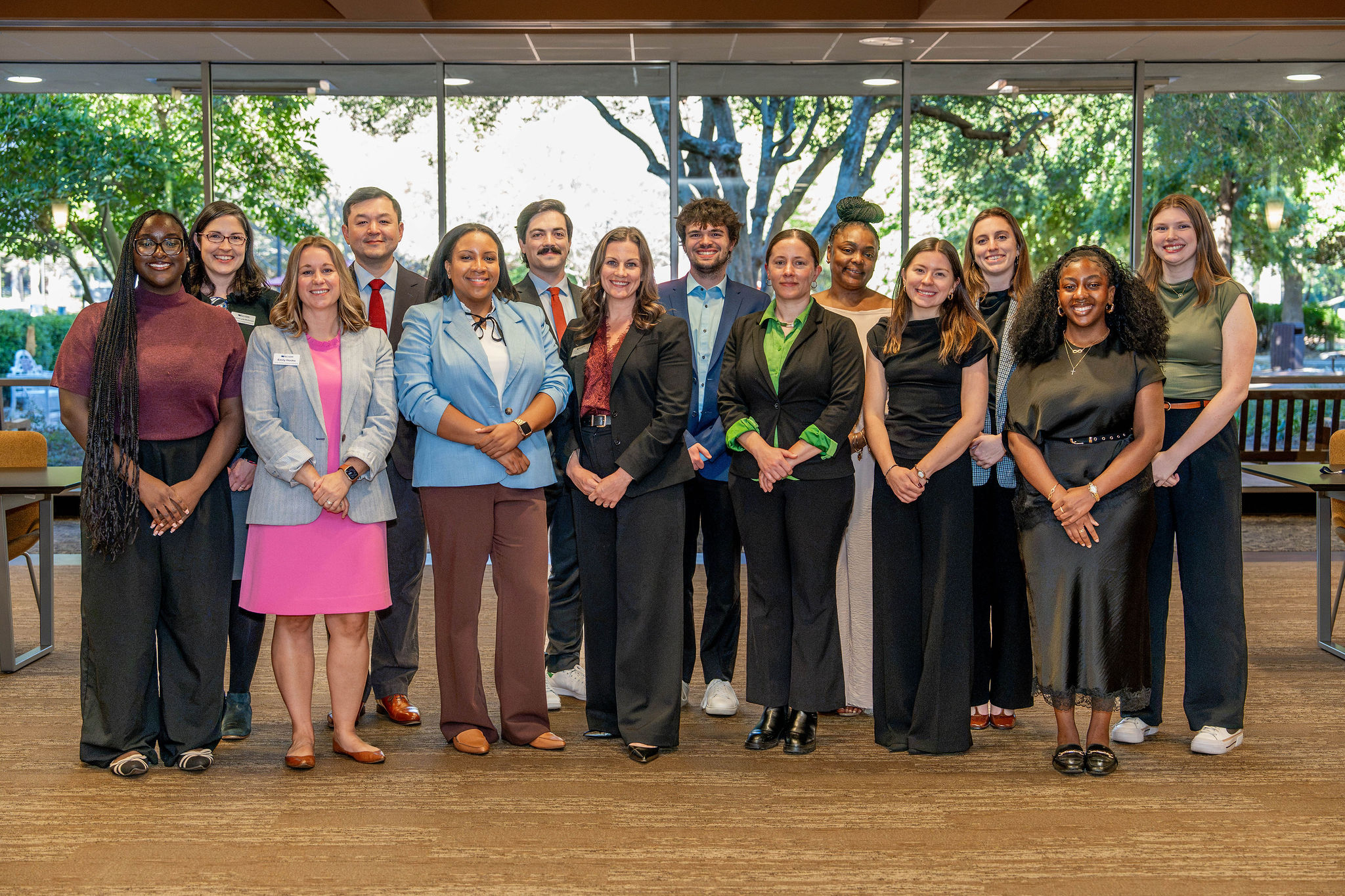
From artificial intelligence and simulation-based education to community-led models of care, the 2026 NCIOM Annual Meeting brought together leaders, policymakers, and community partners to explore how innovation can improve access, quality, and experience of care across North Carolina.
How is innovation changing health care in North Carolina? And how can we make sure that new technologies, practices, and models of care translate into better outcomes for the people and communities they serve?
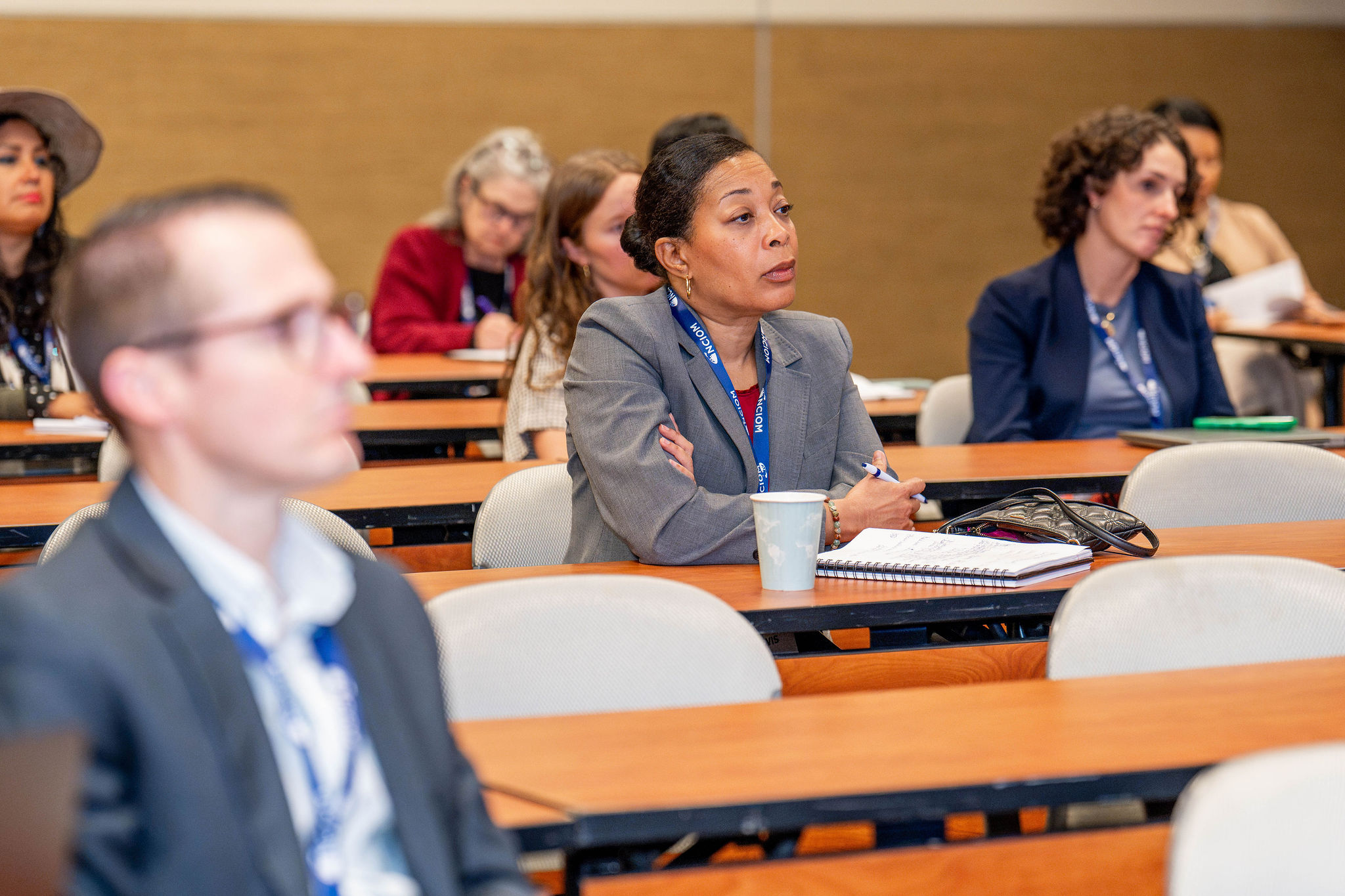
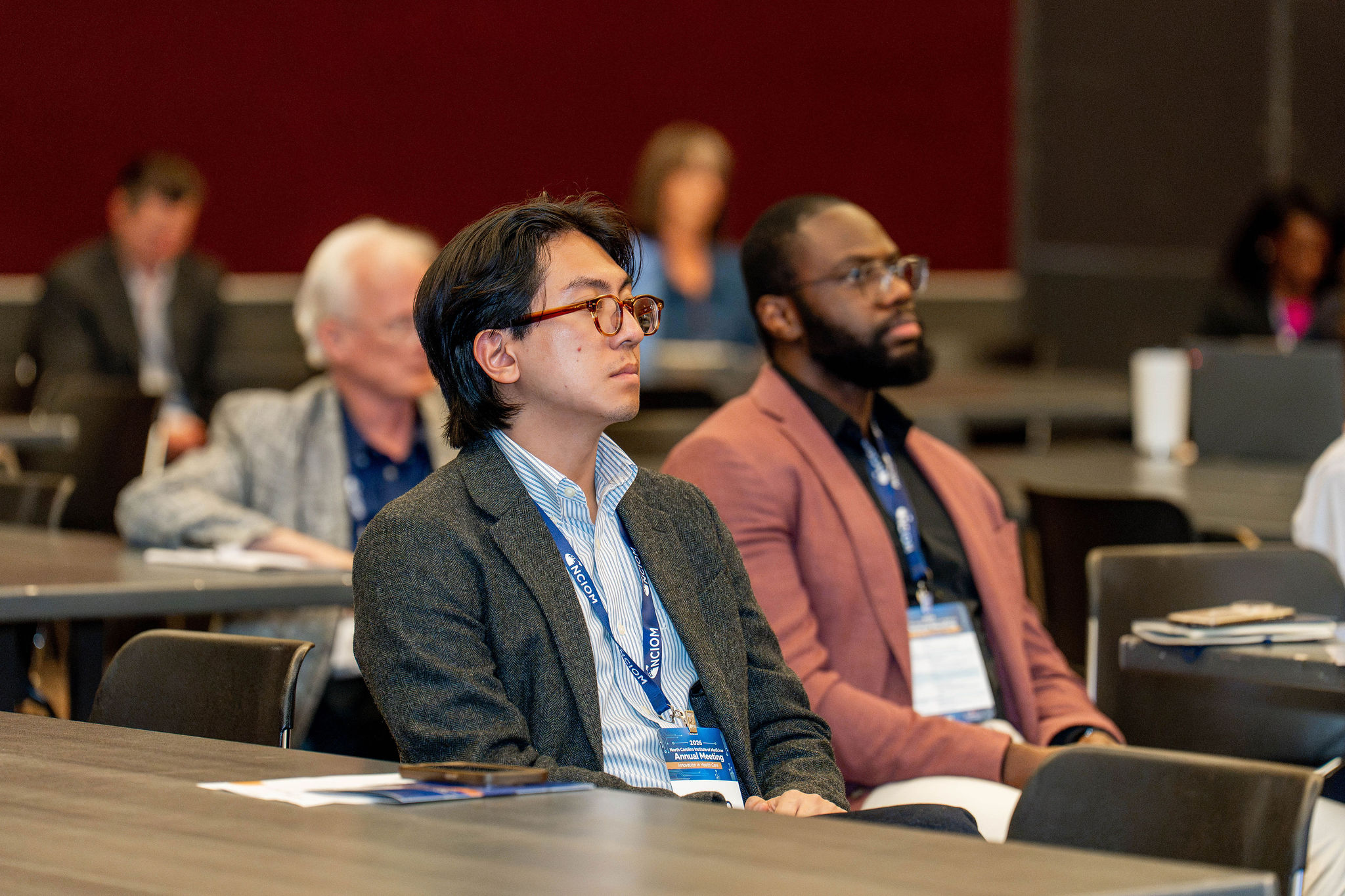
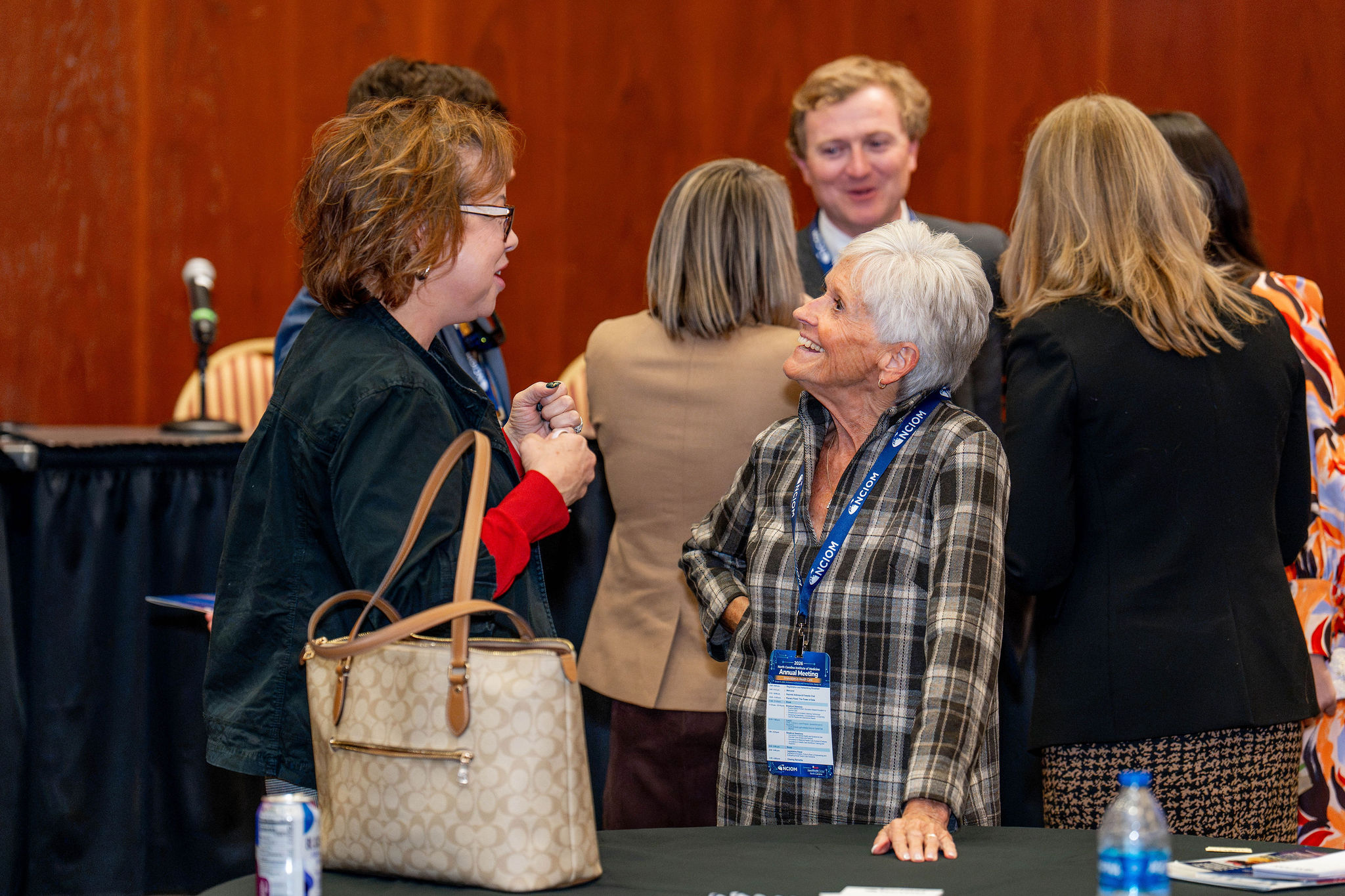
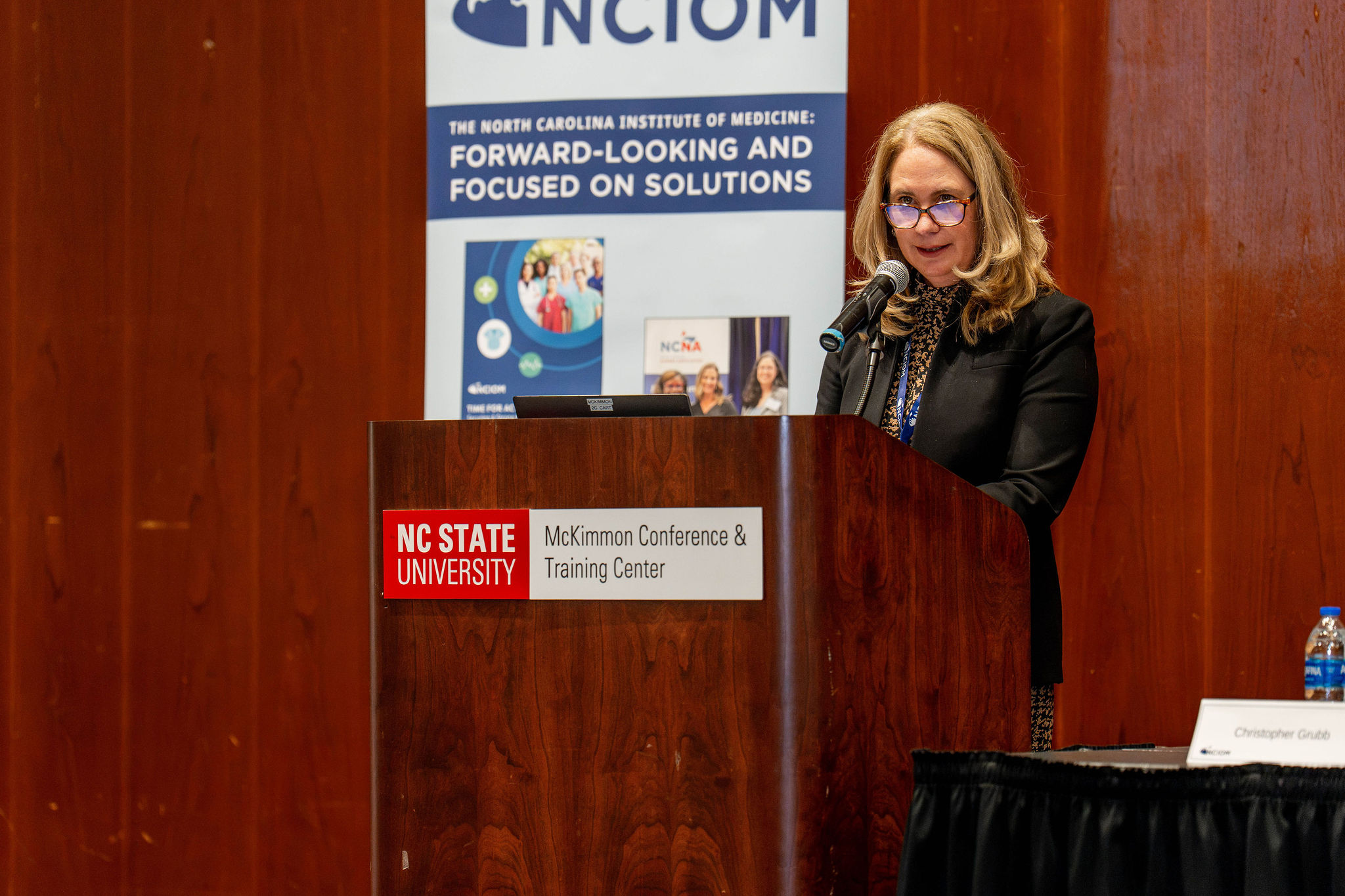
Those questions were at the center of the 2026 NCIOM Annual Meeting, presented by AmeriHealth Caritas North Carolina, on October 21st at the McKimmon Conference and Training Center in Raleigh. Bringing together health care professionals, researchers, policymakers, community leaders, and other partners from across the state, this year’s event offered a platform to explore innovation in its many forms, from artificial intelligence (AI) and emerging technologies to community-based approaches that are expanding access to care.
Throughout the day, one message remained consistent: innovation isn’t just about the tools we develop. It’s about how we use them and how people receiving care experience the services they are provided.
Dr. Brian Anderson, the CEO of the Coalition for Health AI (CHAI), gave the keynote address for the 2026 event. He shared his perspective on the evolving role of AI in health care before sitting down with Dr. Christopher Lindsell, Vice Dean for Data Science and AI at the Duke University School of Medicine, for a fireside chat.
The morning continued with a plenary panel on “the power of data,” moderated by Dr. Lawrence Greenblatt, State Medical Director and Chief Medical Officer at the North Carolina Department of Health and Human Services.
Three morning breakout sessions offered attendees opportunities to explore how emerging technologies are changing health care, from the way information is collected and used to how providers are trained and how patients access services.
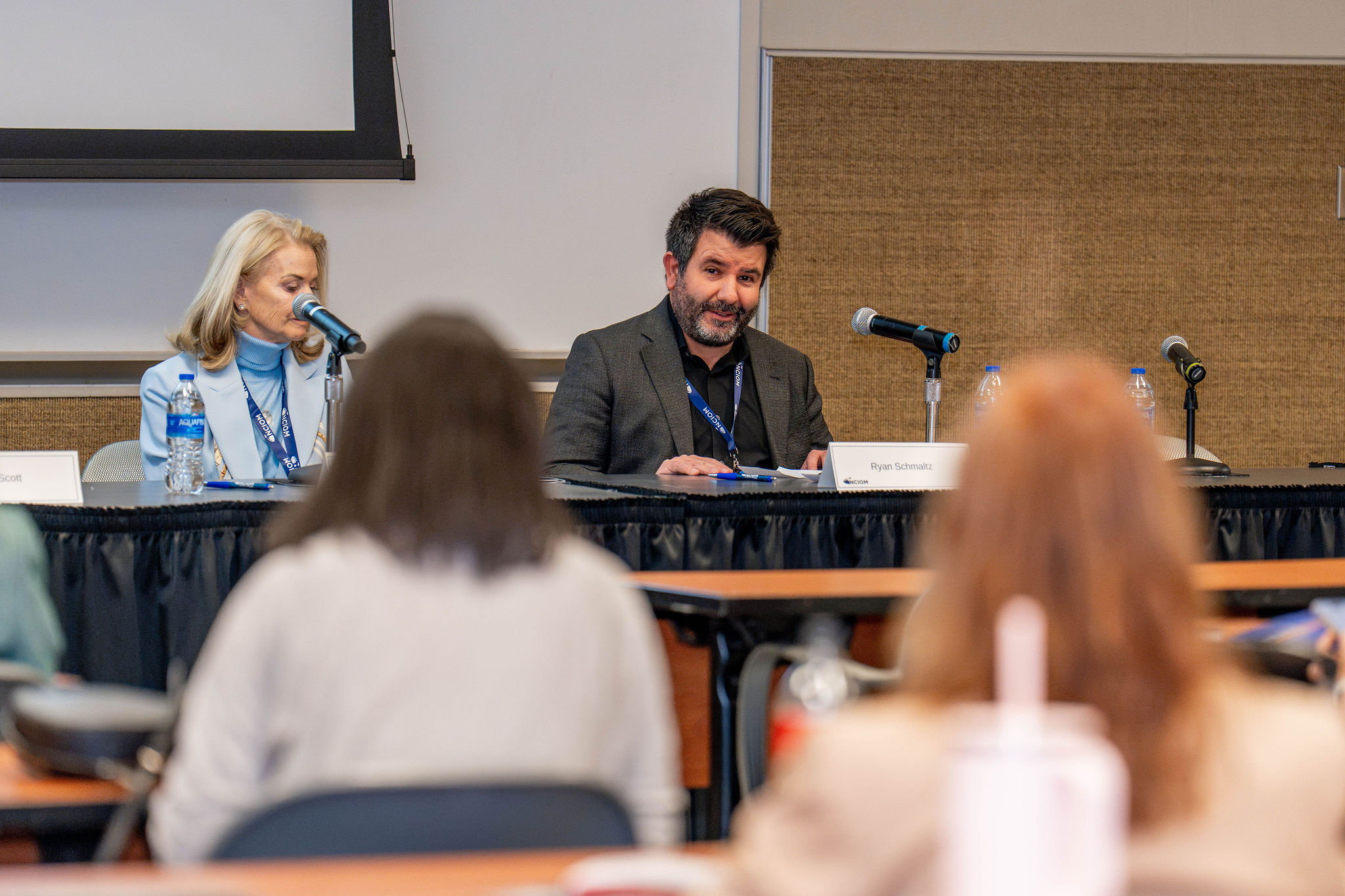
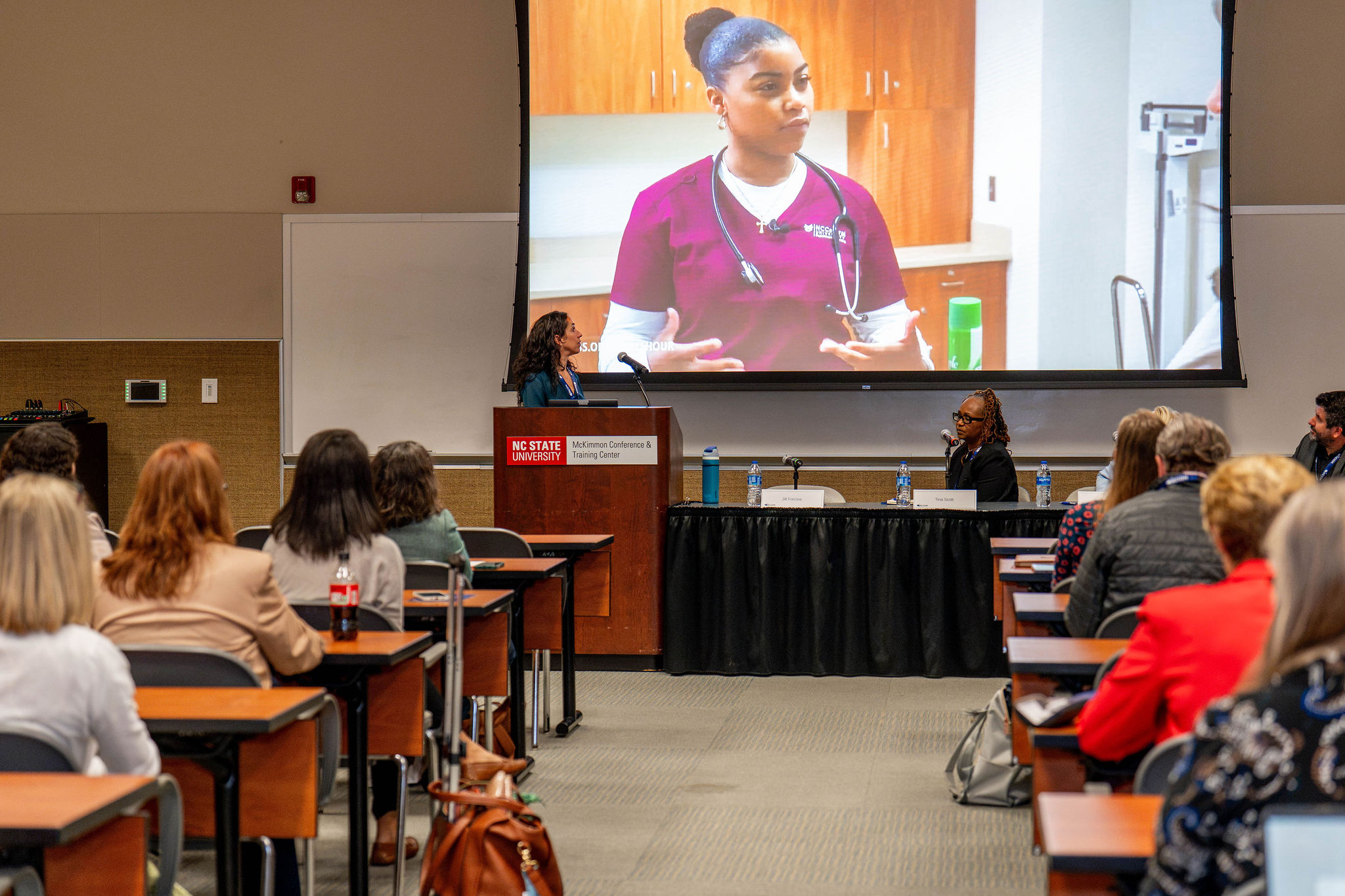
Dr. Jill Forcina of the North Carolina Area Health Education Centers (NC AHEC) moderated a panel on simulation-based education and how technology is changing the way health professionals prepare for clinical practice. These tools allow students to practice a wider variety of patient interactions and clinical situations before entering the workforce, and they create a safe environment where students can make mistakes, build confidence, and strengthen their decision-making skills.
Panelists discussed how simulation can help bridge the gap between the classroom and real-world clinical interactions, while also improving interprofessional education opportunities.
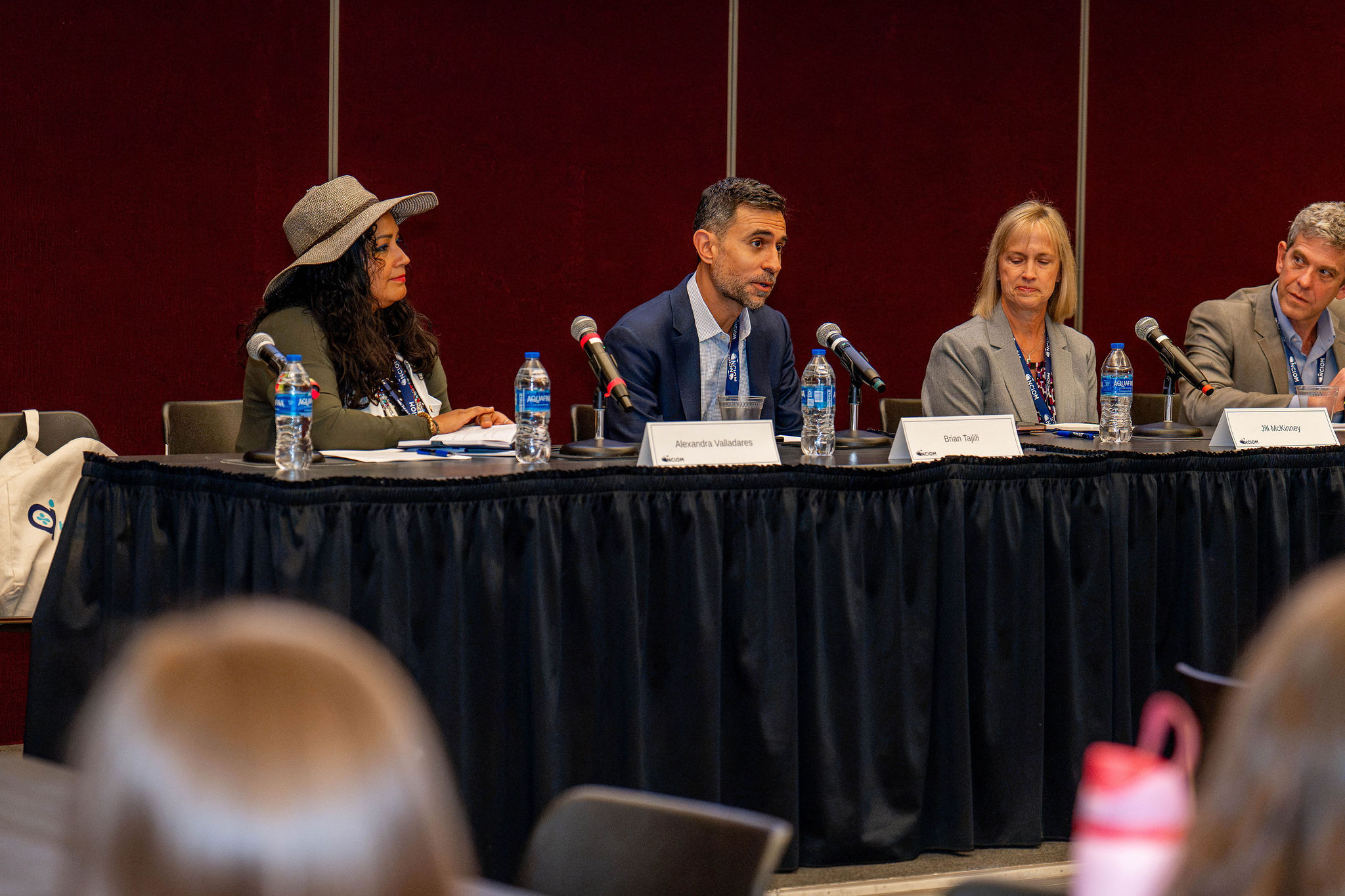
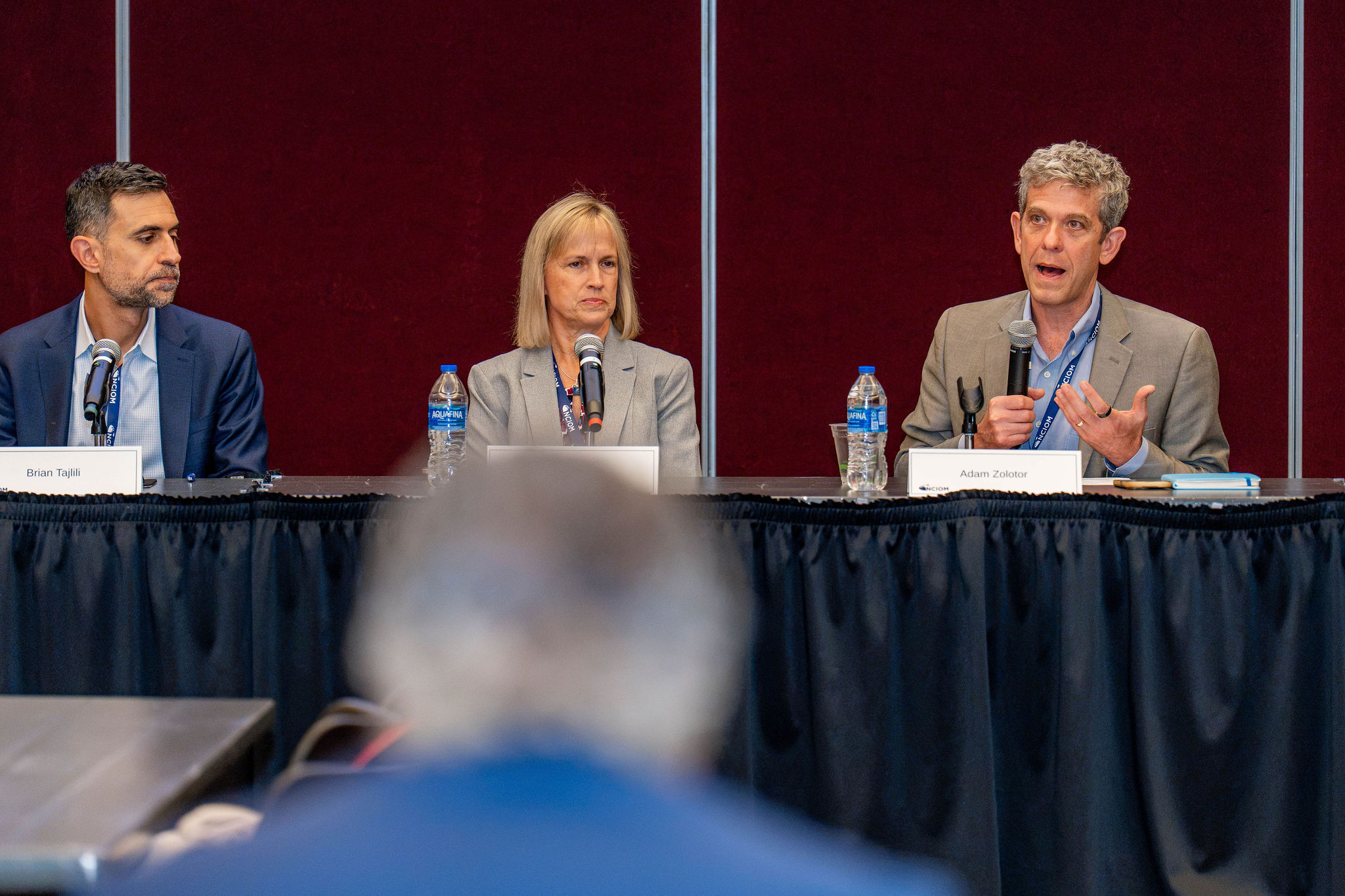
Dr. Adam Zolotor of NC AHEC and UNC Chapel Hill moderated a panel on ambient listening technology. Panelists in this conversation discussed how AI note taking tools can allow providers to spend more time directly engaging with patients. They discussed early data on the impact of these tools. They also talked about the importance of patient trust, privacy, and oversight. Many patients have questions about how their information is collected, stored, and used, as well as whether the new technology is accurately capturing conversations.
Corye Dunn of Disability Rights North Carolina moderated a conversation on accessibility and care for people with specialized needs. During her panel, speakers discussed the barriers people with disabilities and specialized health care needs face when navigating services and finding appropriate care. They highlighted the importance of addressing information barriers, including making public benefits and policy documents easier for families to understand. They also emphasized the importance of simple steps, like plain-language communication and exploring opportunities to share information on public platforms.
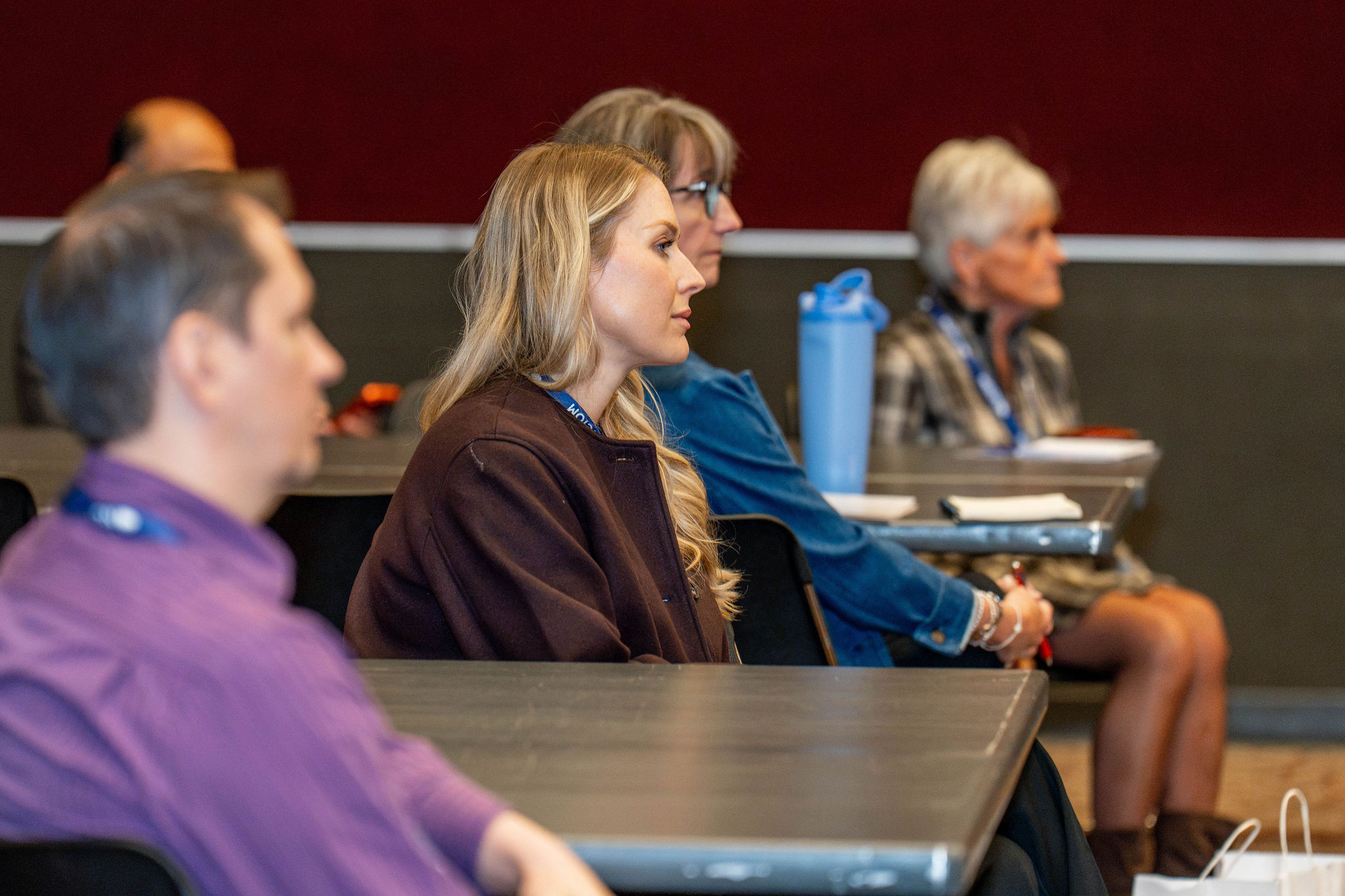
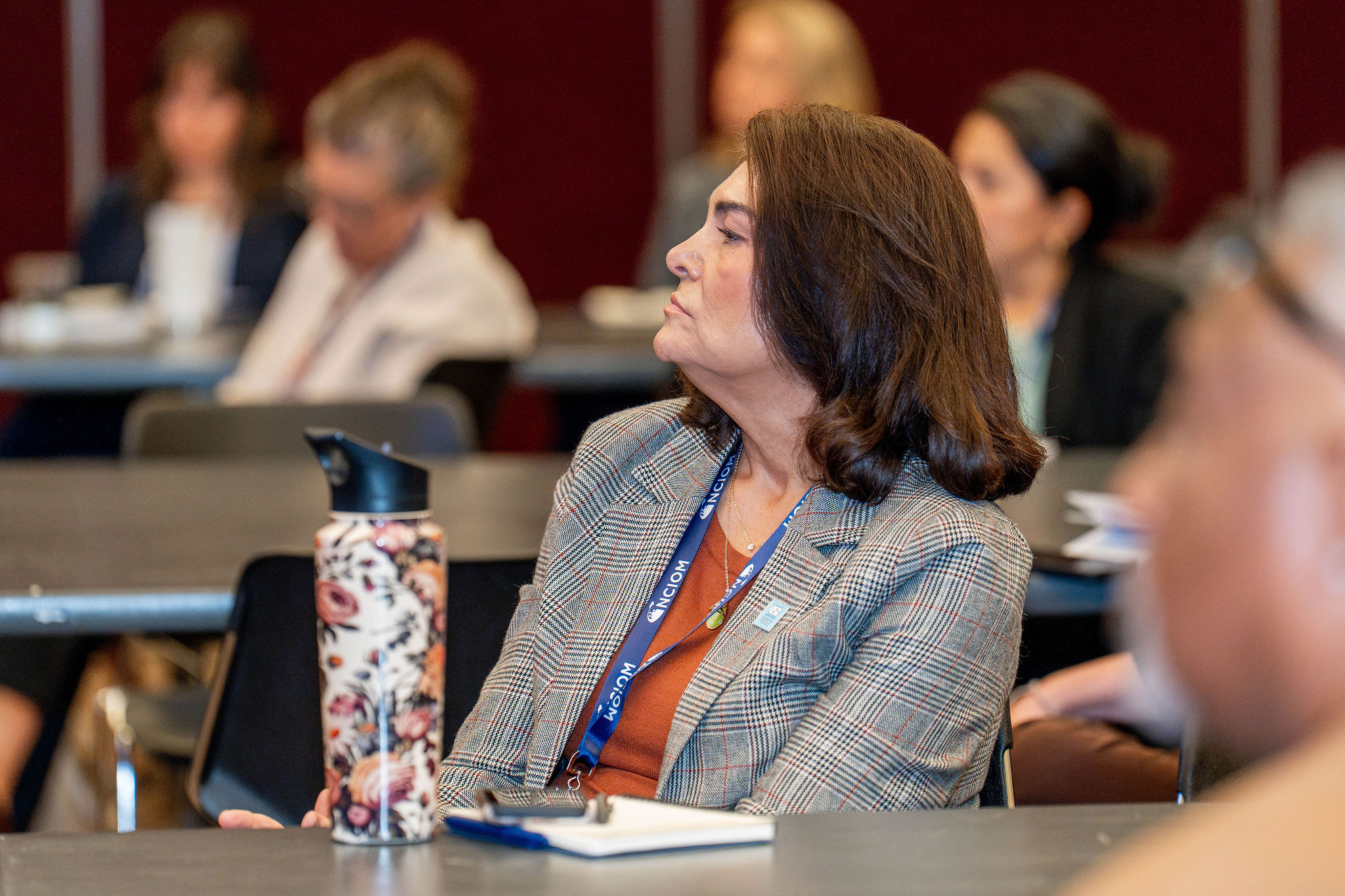
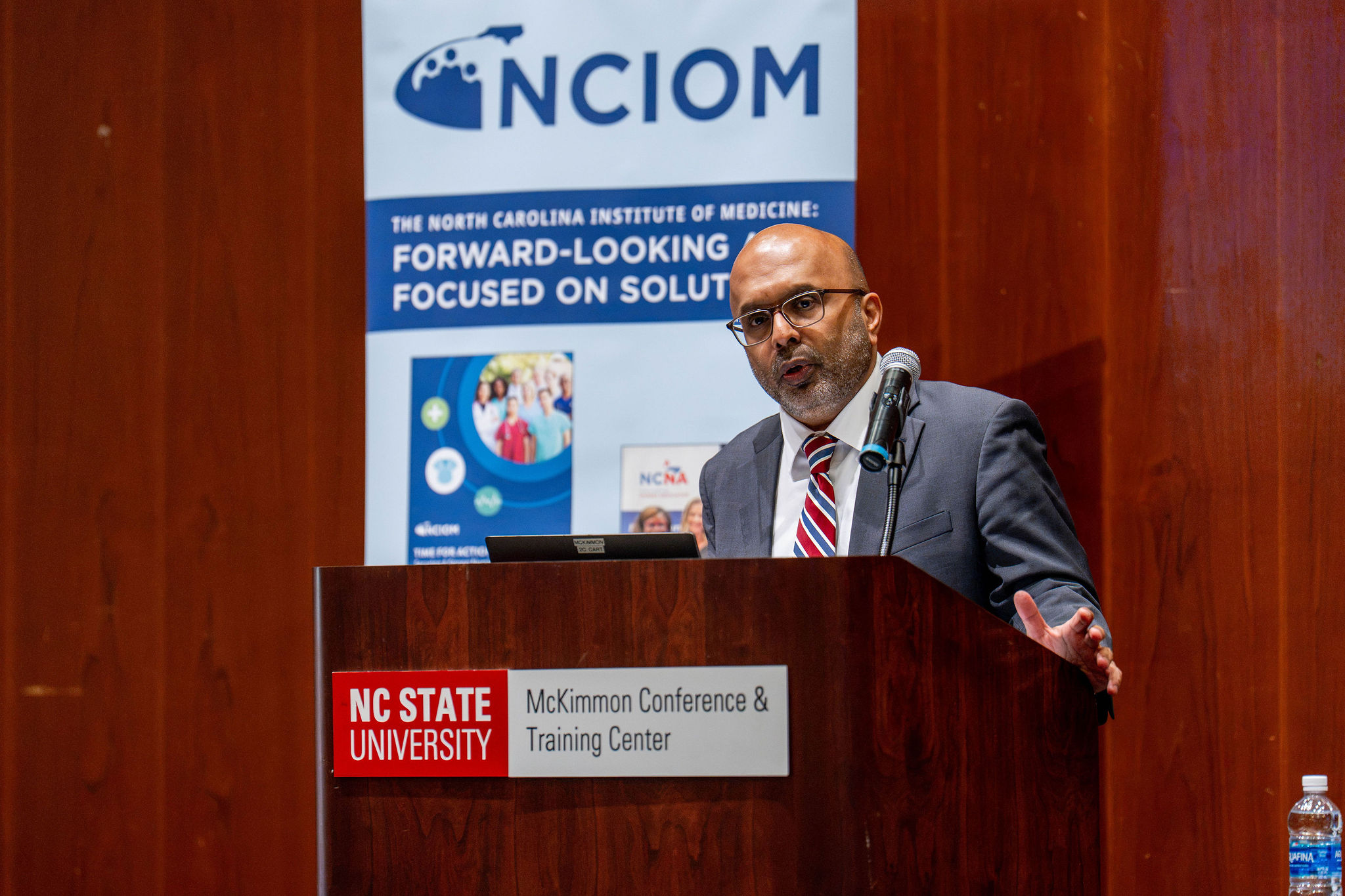
At lunch, NCDHHS Secretary Dev Sangvai stopped by to address the crowd, offering an update on state Medicaid and important health care policy the department is focused on.
Throughout the lunch period, attendees also had the opportunity to visit the SouthLight Mobile Clinic for Opioid Use Disorder. The clinic offered an example of how innovative care delivery models can bring services directly to communities, expanding access to treatment.
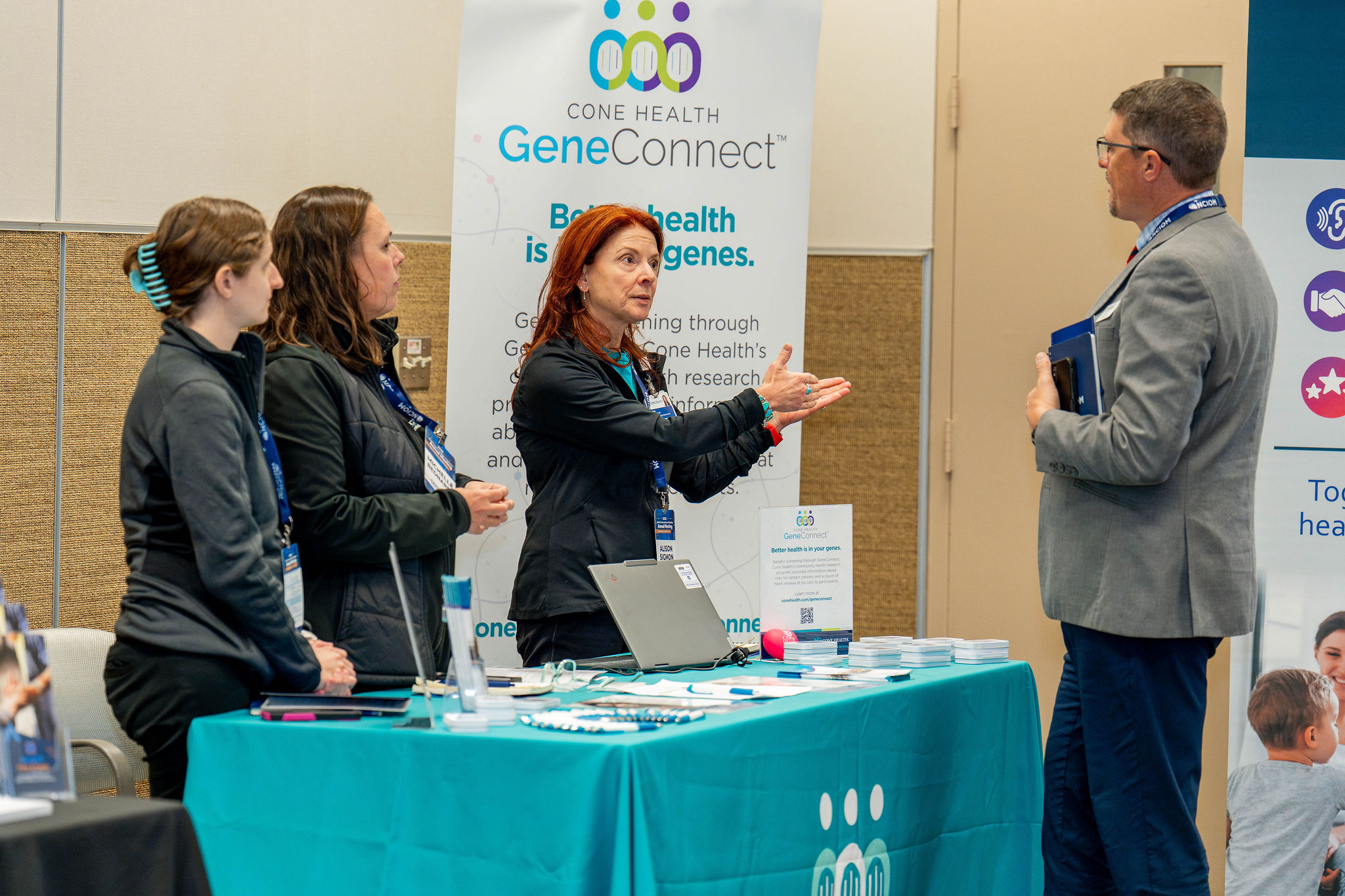

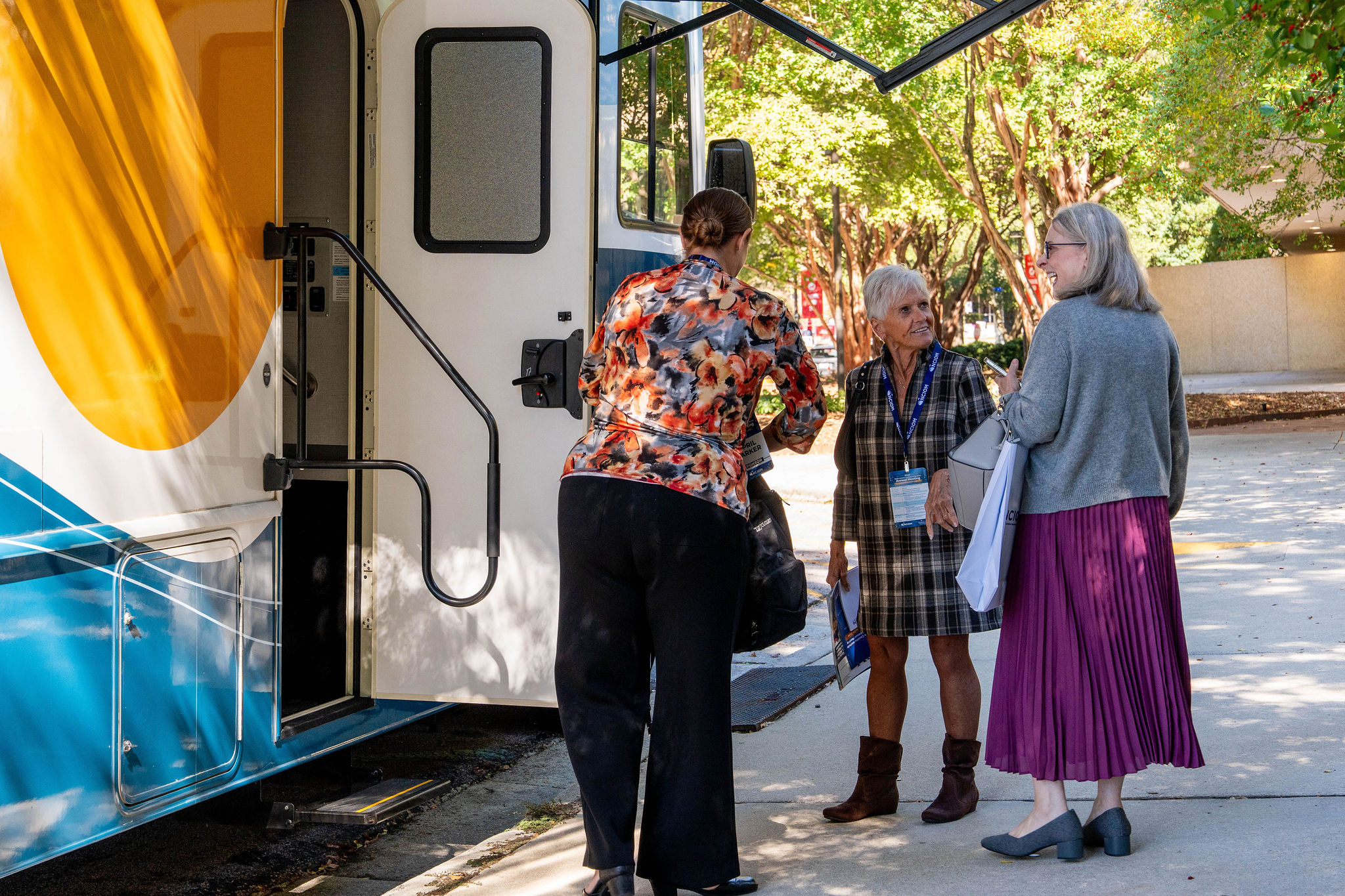
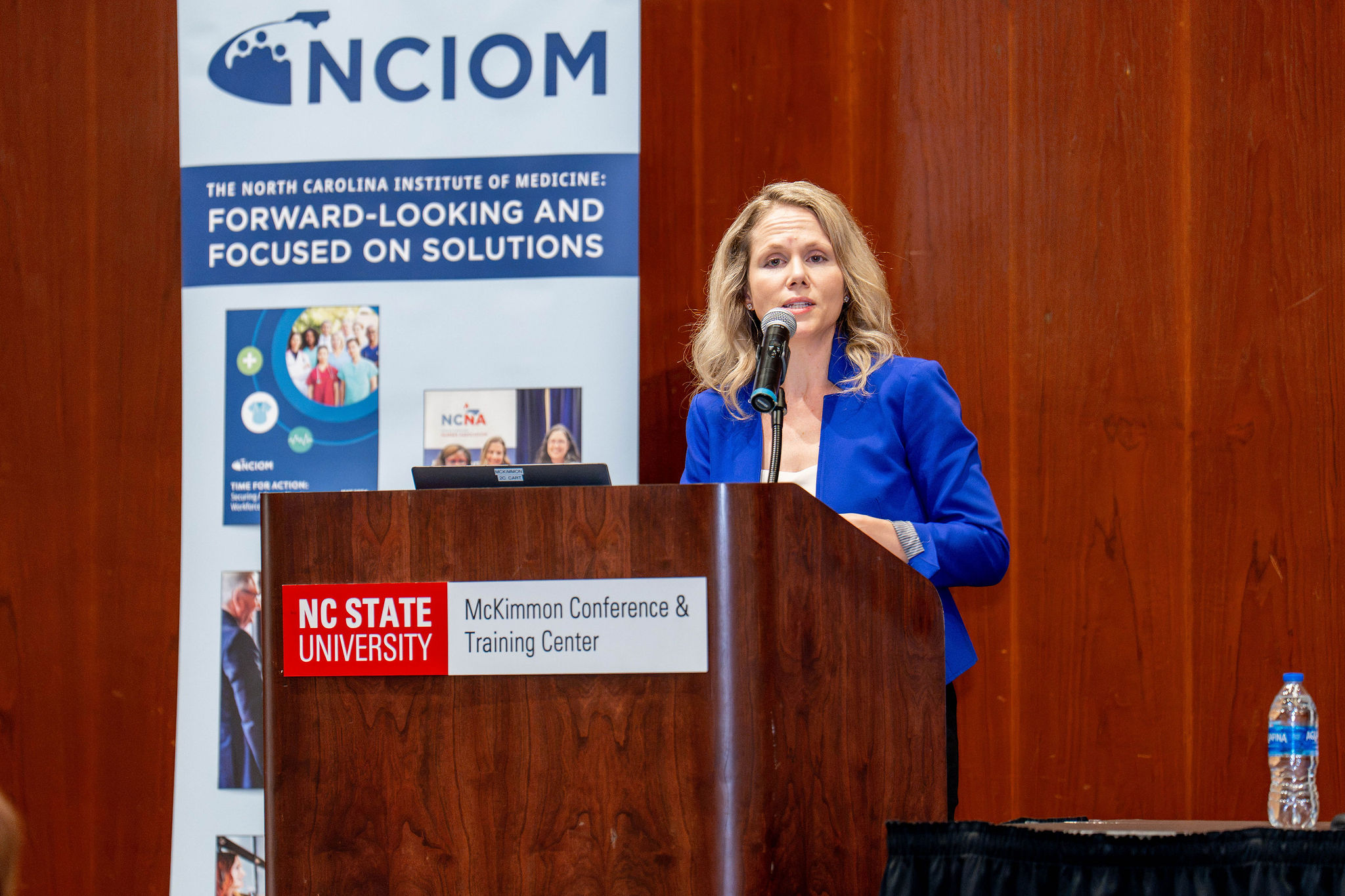

In the afternoon, sessions turned toward how innovation is being applied across different areas of health care, with discussions focused on community-based models of care, maternal health, workforce development, and the role of public policy.
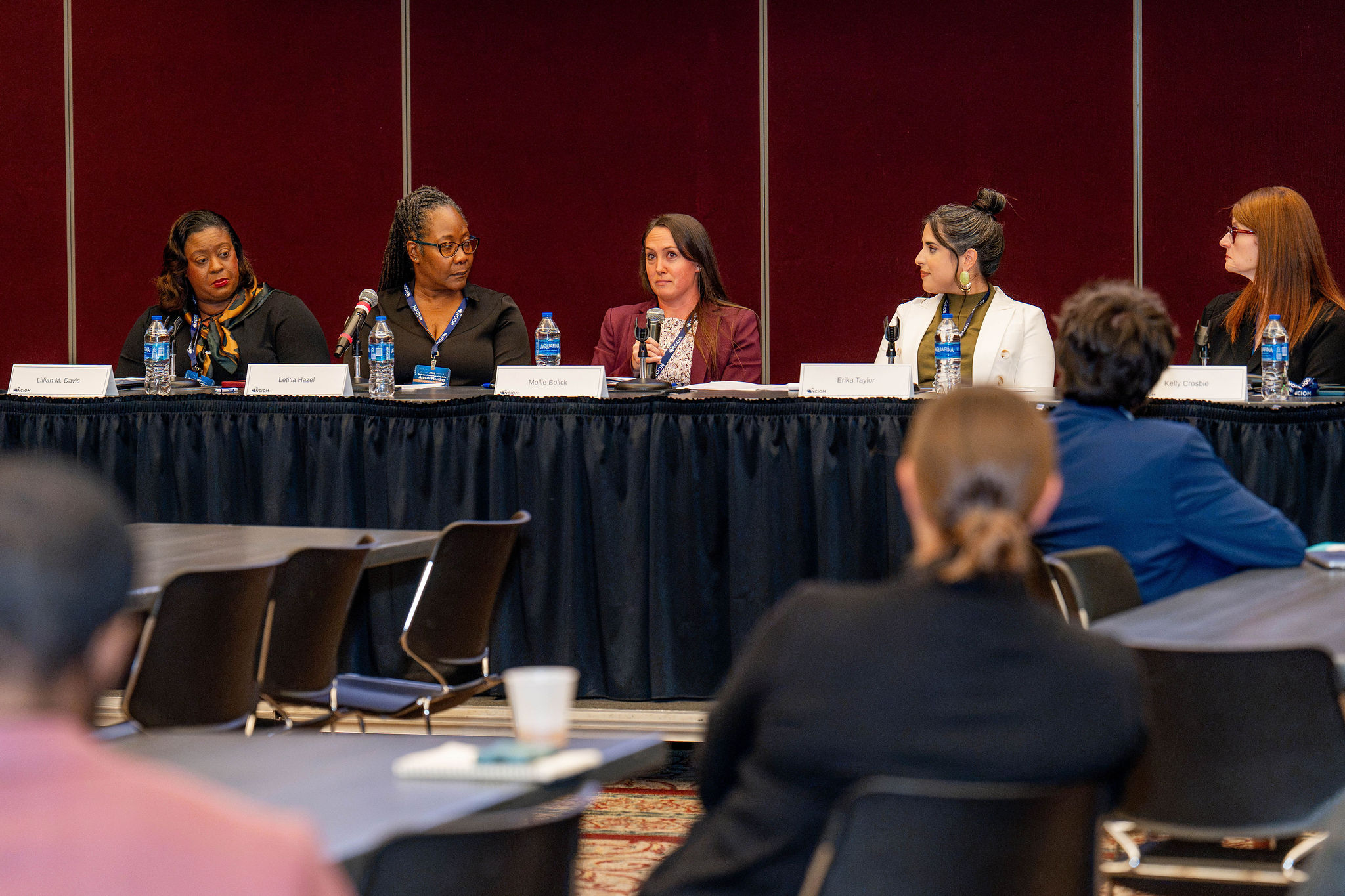
Kelly Crosbie, Assistant Secretary for Mental Health, Developmental Disabilities, and Substance Use Services at NCDHHS, moderated a panel on mental health and substance use disorder care. The panel explored how expanding access requires looking beyond traditional clinic-based models and considering where people are, what challenges they face, and how services can better meet their needs.
Pat Campbell of the March of Dimes moderated a maternal health care panel, with speakers exploring maternal-fetal medicine, midwifery, maternal and infant health policy, and early childhood preventive care.
The panel focused on access and delivery, highlighting the importance of considering how different parts of the maternal and infant health system work together to support families.
Finally, Andy MacCracken moderated a workforce panel, leading speakers in a discussion on alternative pathways into health care careers, apprenticeship programs, partnerships across academic institutions, and strategies to develop and maintain the health care workforce.
Speakers talked about the important role community colleges play in preparing the health workforce. They also talked about the importance of investing in retention efforts. Panelists emphasized that building a sustainable workforce requires healthy cultures, strong leadership, mentorship, and opportunities for employees to grow.
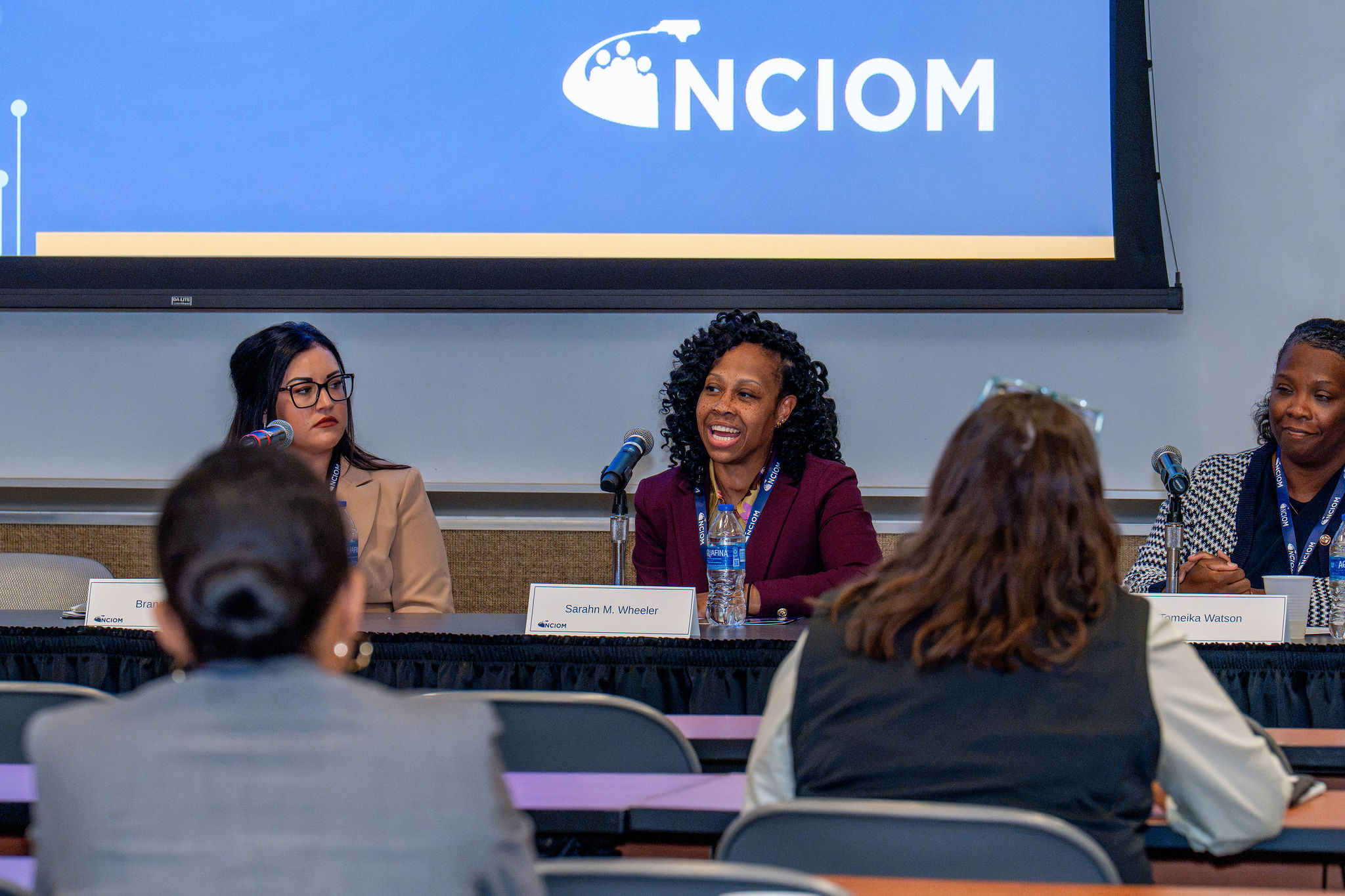
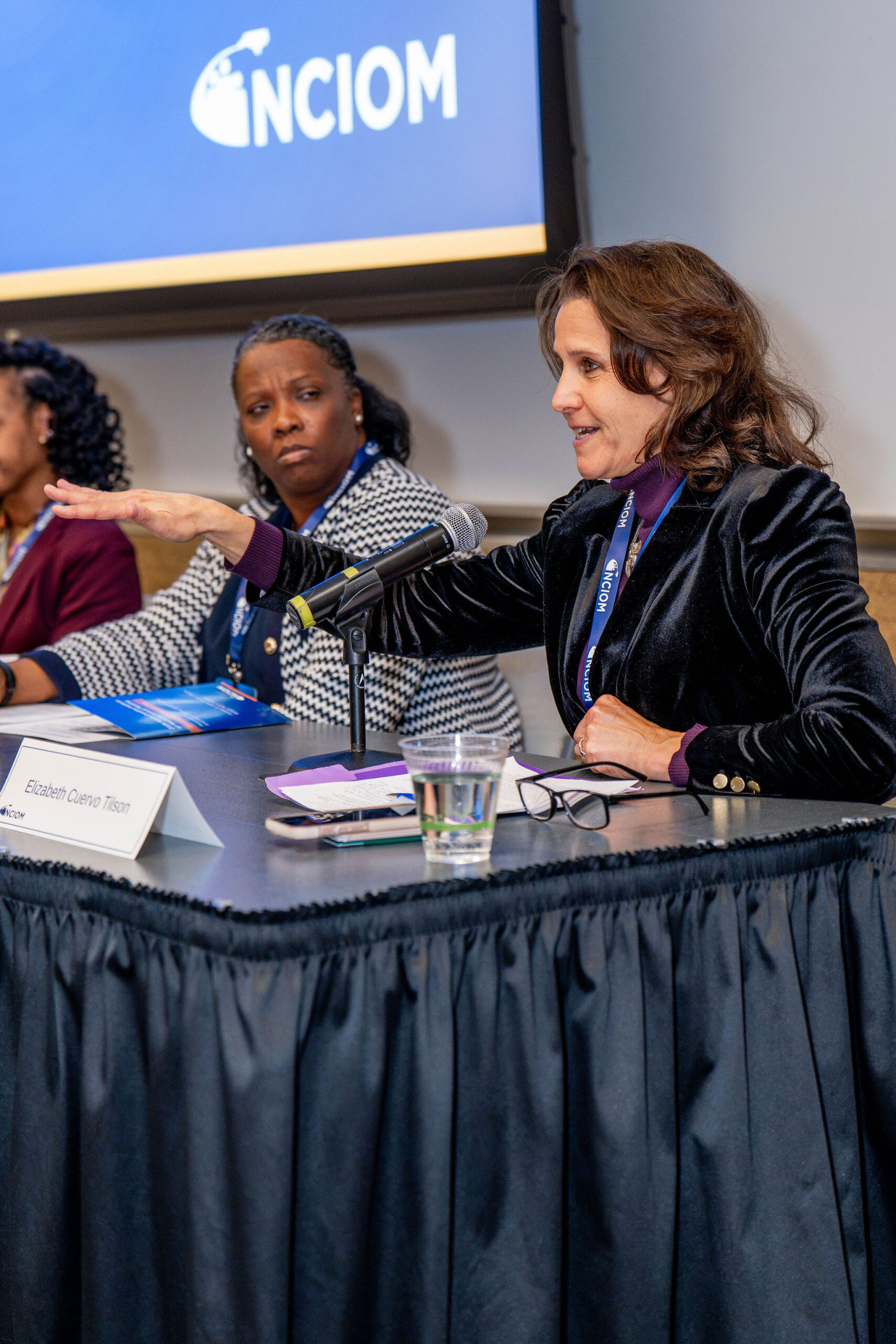
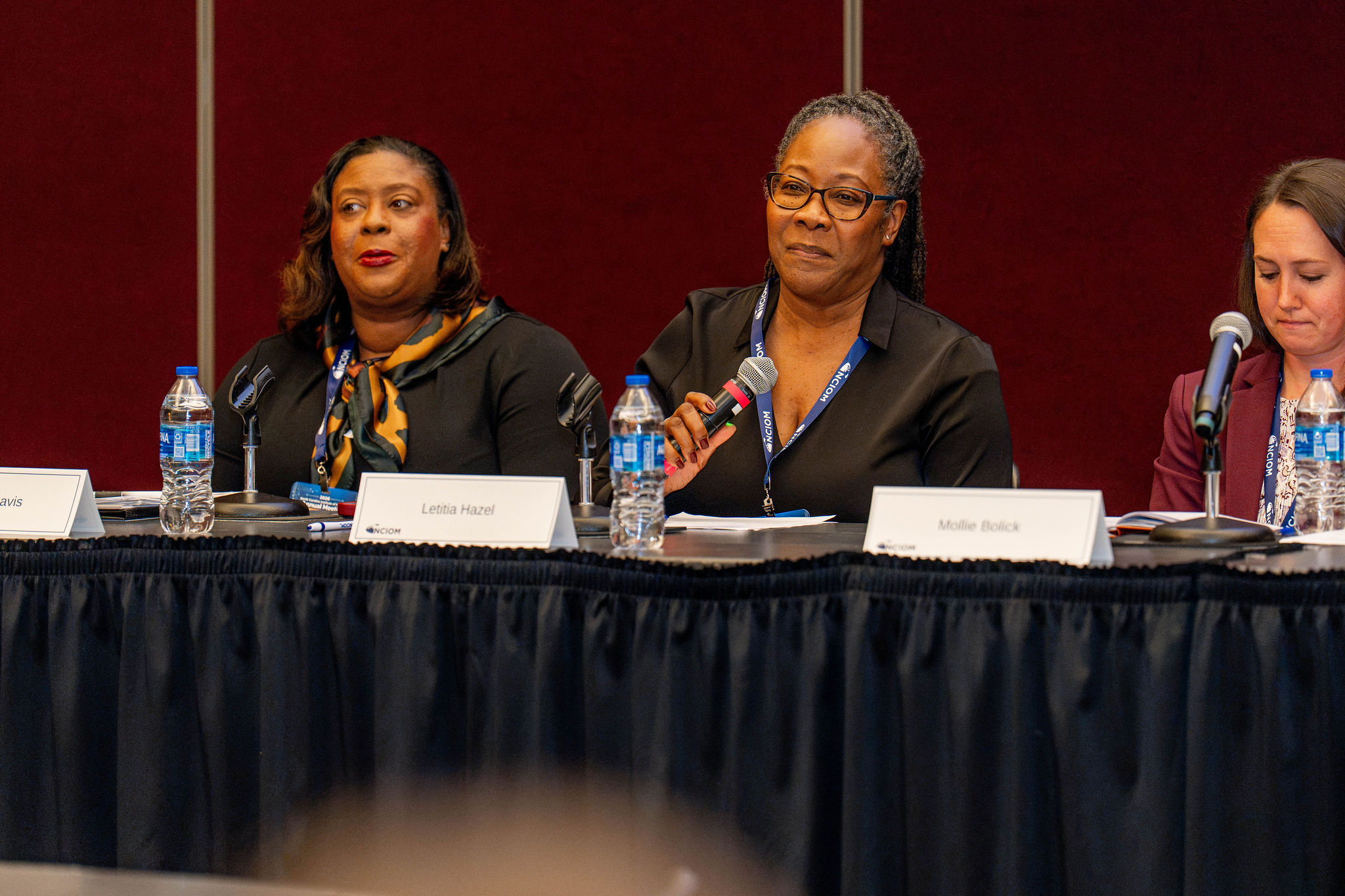
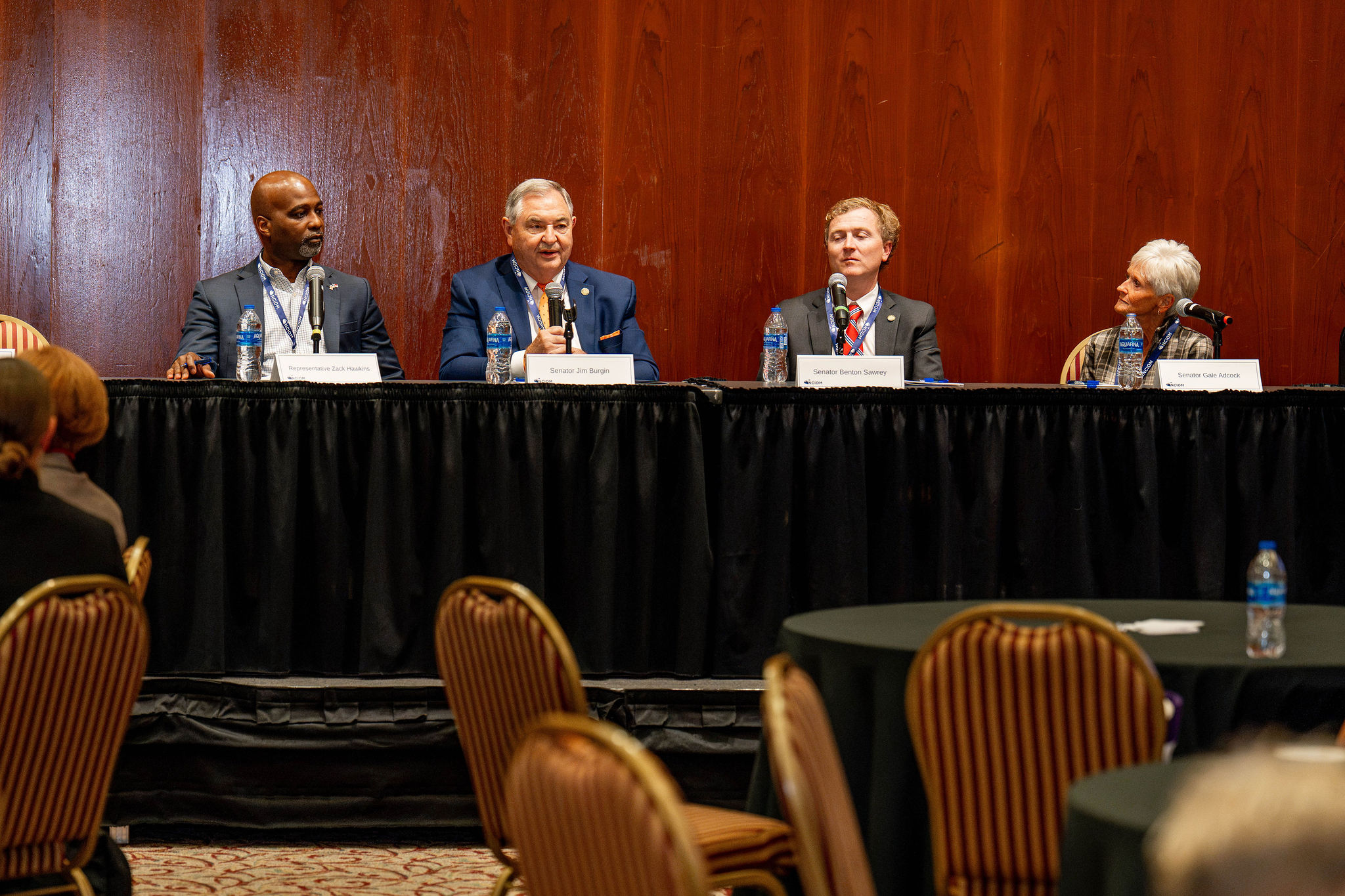
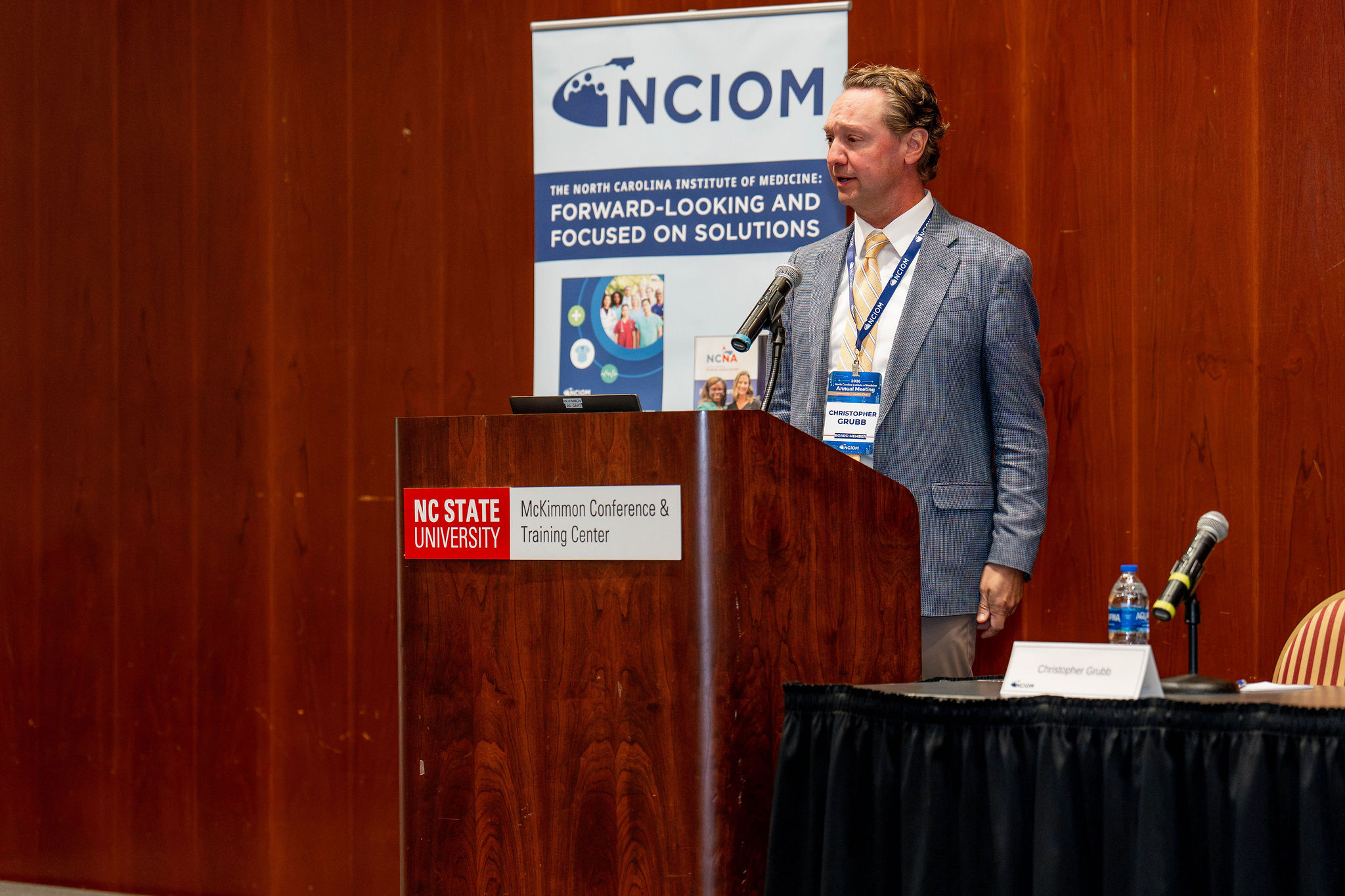
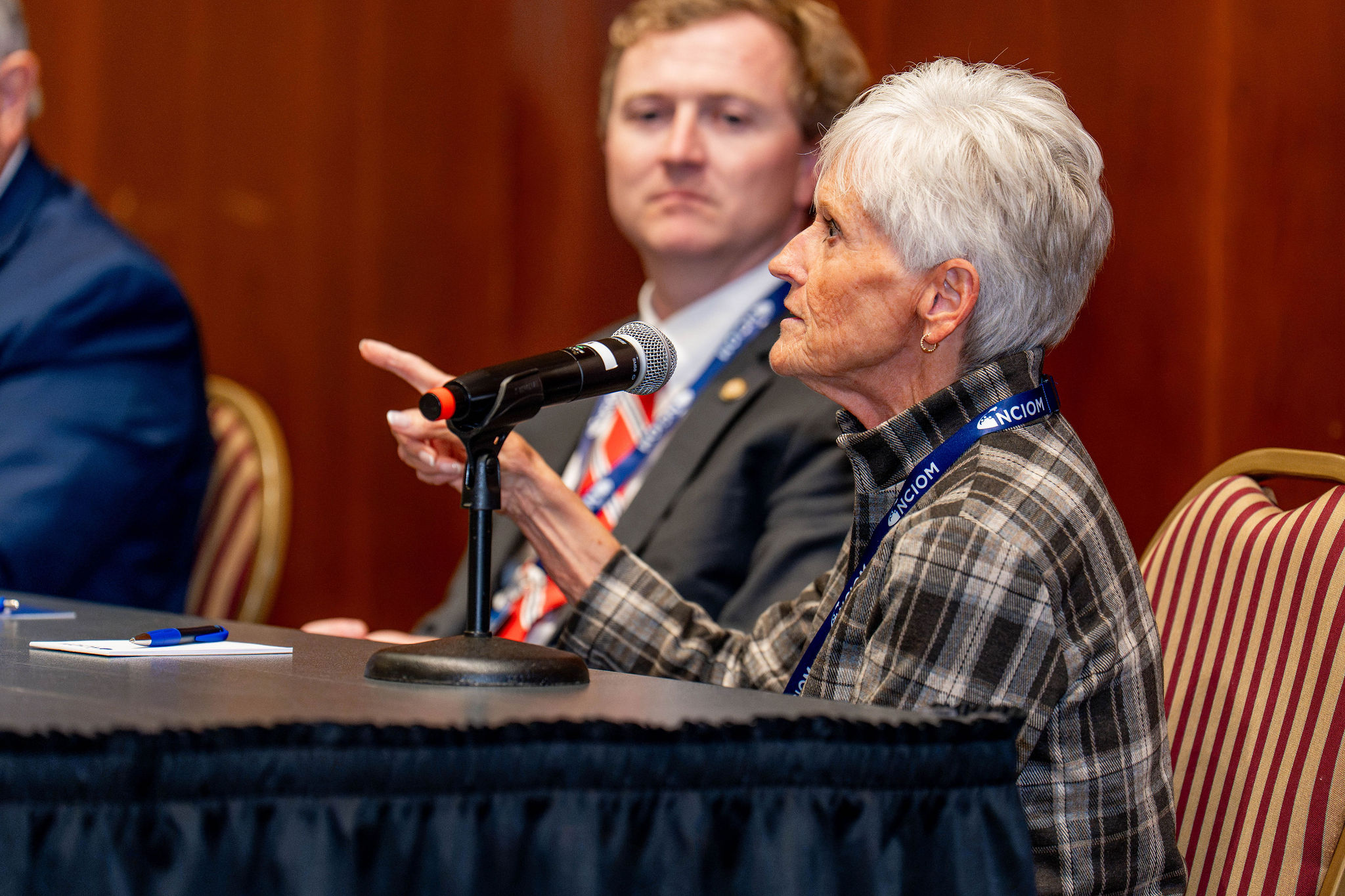
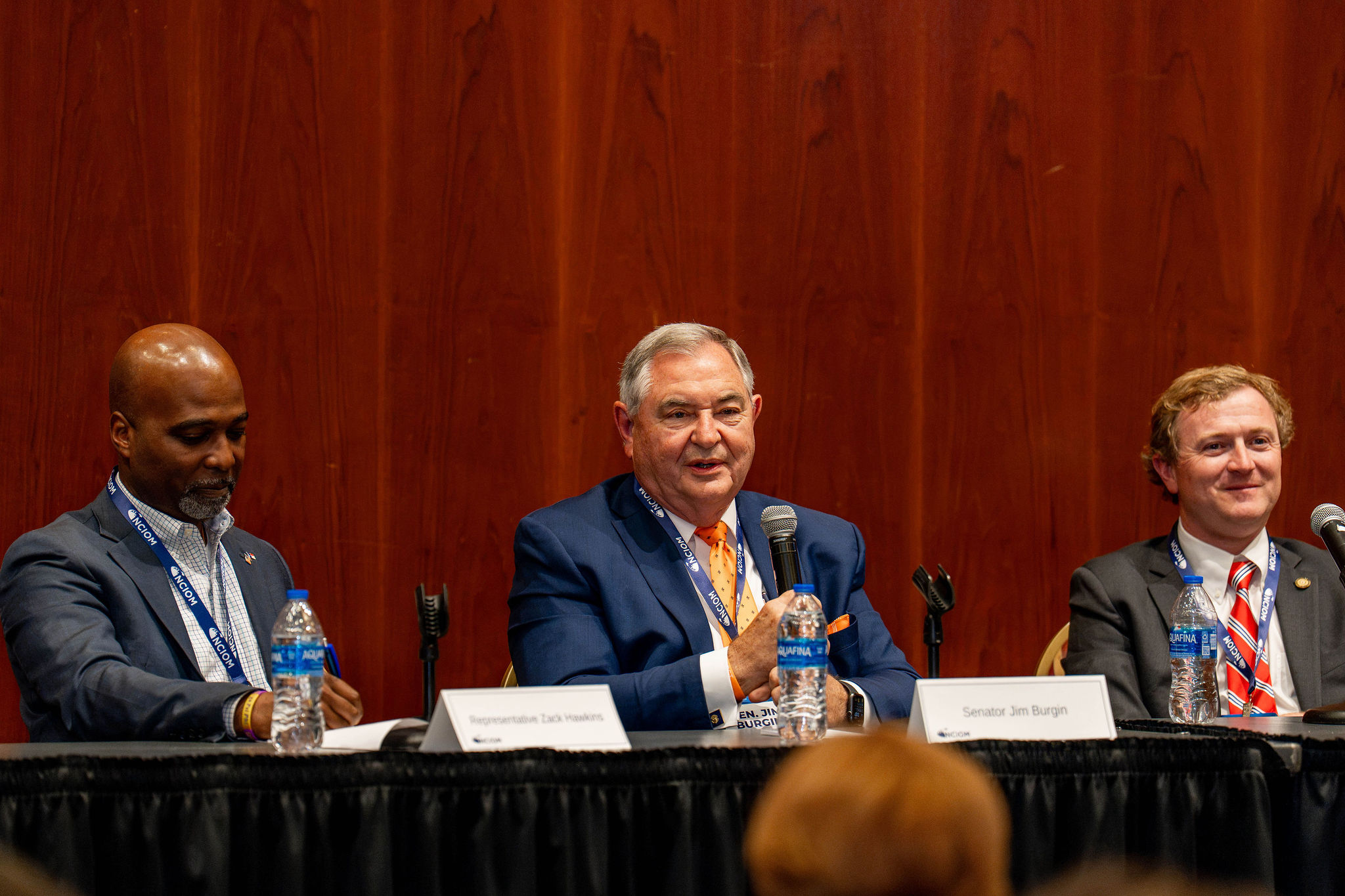
To wrap up the event, ECU Health physician Dr. Christpher Grubb, an NCIOM board member, moderated a policy panel featuring Senators Gale Adcock, Jim Burgin, and Benton Sawrey and Representative Zack Hawkins.
The lawmakers discussed how public policy can support the development, implementation, and evaluation of new approaches to health care. They brought the day’s discussions back to an important question: how can policymakers work at the systems level to create an environment encouraging of innovation while protective of patients at the center of care?
While opportunities for innovation are significant, the tools themselves are only part of the equation. At the NCIOM, we are excited about the future of health care and look forward to helping facilitate conversations about new tools, models of care, and the people innovation is meant to serve.
Questions remain about how artificial intelligence will change care delivery and the health care workforce, how information will move between systems, and how we can ensure that both patients and providers are treated fairly as technology evolves.
These are not questions that any one organization or sector can answer alone.
At the NCIOM, we believe that bringing people together across disciplines, organizations, and perspectives is an important part of identifying solutions to complex health challenges. We are grateful to our speakers, panelists, sponsors, partners, and attendees for contributing their time and expertise to this year's meeting.
Thank you to our presenting sponsor, AmeriHealth Caritas North Carolina, and to all of the organizations that helped make the 2026 Annual Meeting possible.
We look forward to continuing these conversations and working together to support a healthier North Carolina.